
BUILDING COMPANIES. GUIDING DECISIONS. CREATING OUTCOMES THAT ENDURE.
ENTREPRENEUR • BUSINESS BUILDER • BOARD ADVISOR • AUTHOR
For more than three decades, I have built and led technology businesses across financial services, insurance, manufacturing, distribution, retail, utilities, and energy, with operations spanning over 30 countries globally.
I serve as the CEO at Agile Financial Technologies and am the founder of My Life’s Vault. I also serve on boards, advise organisations on strategy and governance, and mentor founders as they build and grow their businesses.
Years building enterprise technology businesses
Countries across Europe, the Middle East, Africa and Asia
Successful technology exits
Indian FinTech CEOs
CEO Insight · 2020
CURRENT VENTURES

Insurance Technology.Reimagined.
Helping insurers run, grow and govern their business through a connected portfolio of modern insurance technology platforms — trusted across more than 30 countries.
- 15+ yearsProven experience
- 30+Countries
- 100%Insurance focused

Get your affairs in order.For the people you love.
My Life's Vault is the missing layer between financial planning and estate planning. It enables individuals and families to prepare for life's expected and unexpected moments — organising information, documenting wishes, coordinating trusted people, and ensuring continuity before, during, and after life's most important events.
LEADERSHIP IS WHAT CONTINUES TO HOLD WHEN YOU ARE NO LONGER IN THE ROOM.
Three decades of building, scaling, and exiting businesses — brought to the boardroom as a director, advisor, and mentor.
- Board & Advisory
Board seats and advisory mandates across retail, manufacturing, supply chain, and investment platforms.
- Mentorship
Trusted sounding board to founders and CEOs navigating growth, governance, and the hard calls of scale.
- Recognition
Named among the Top 10 Financial Technology CEOs · CEO Insight, 2020. Go-to-market strategy cited in an INSEAD case study.
- Where I add value
Governance, operating cadence, international growth, and the hard decisions that come with scale.
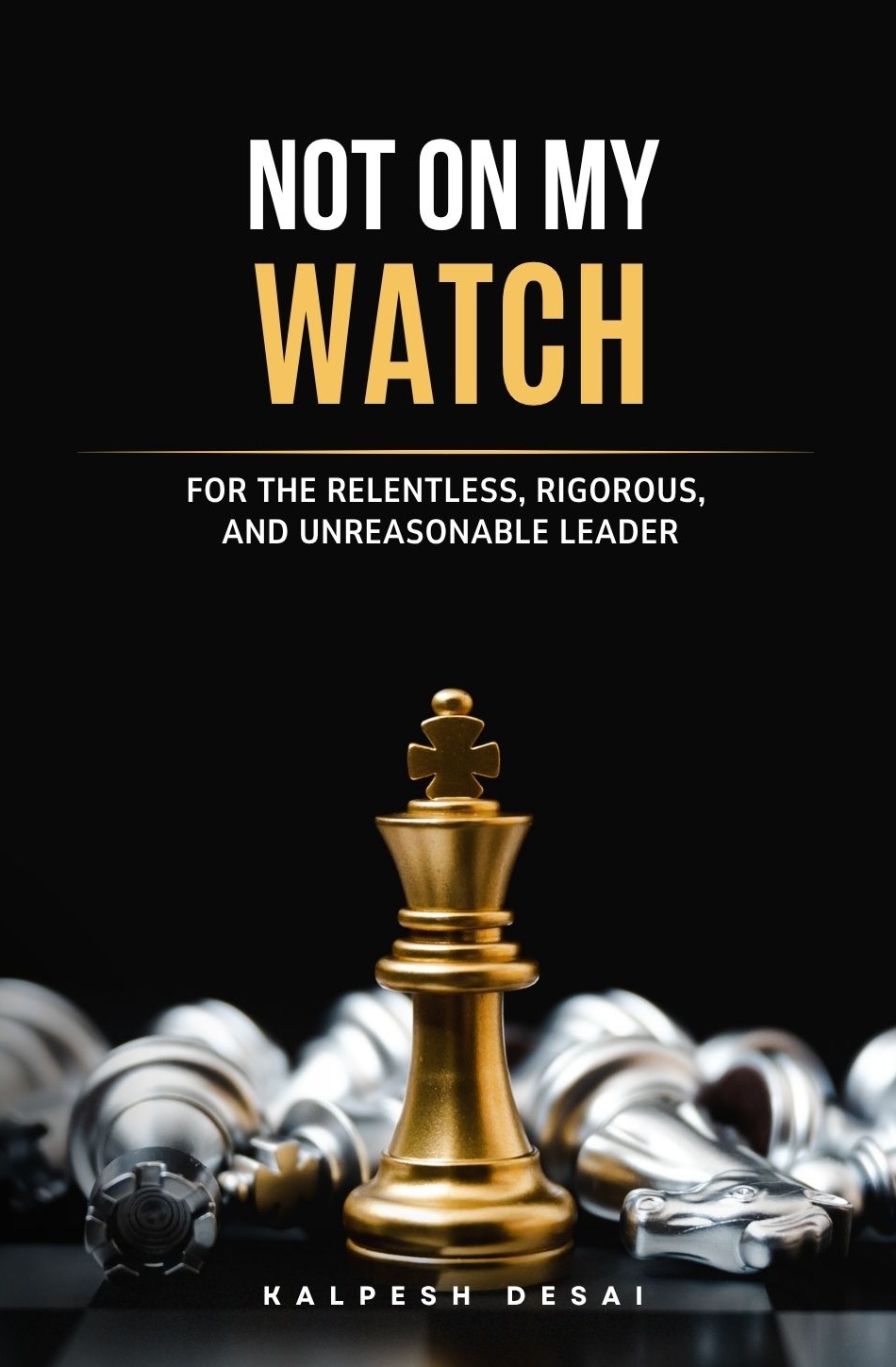
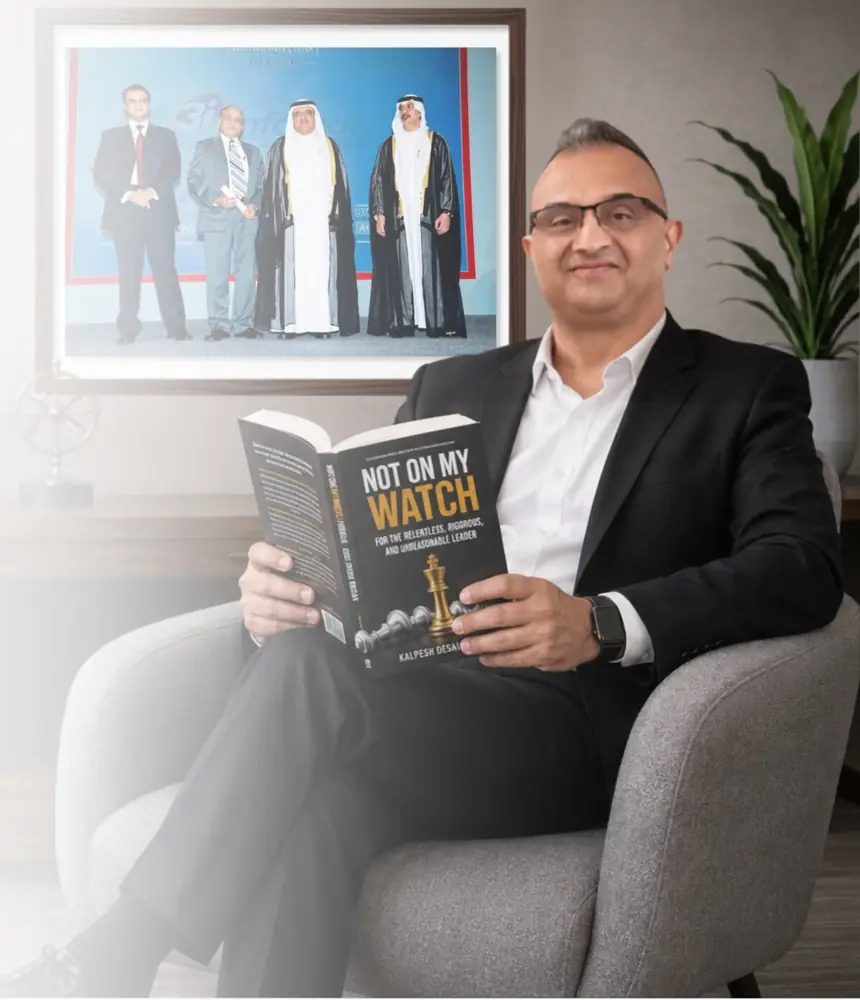
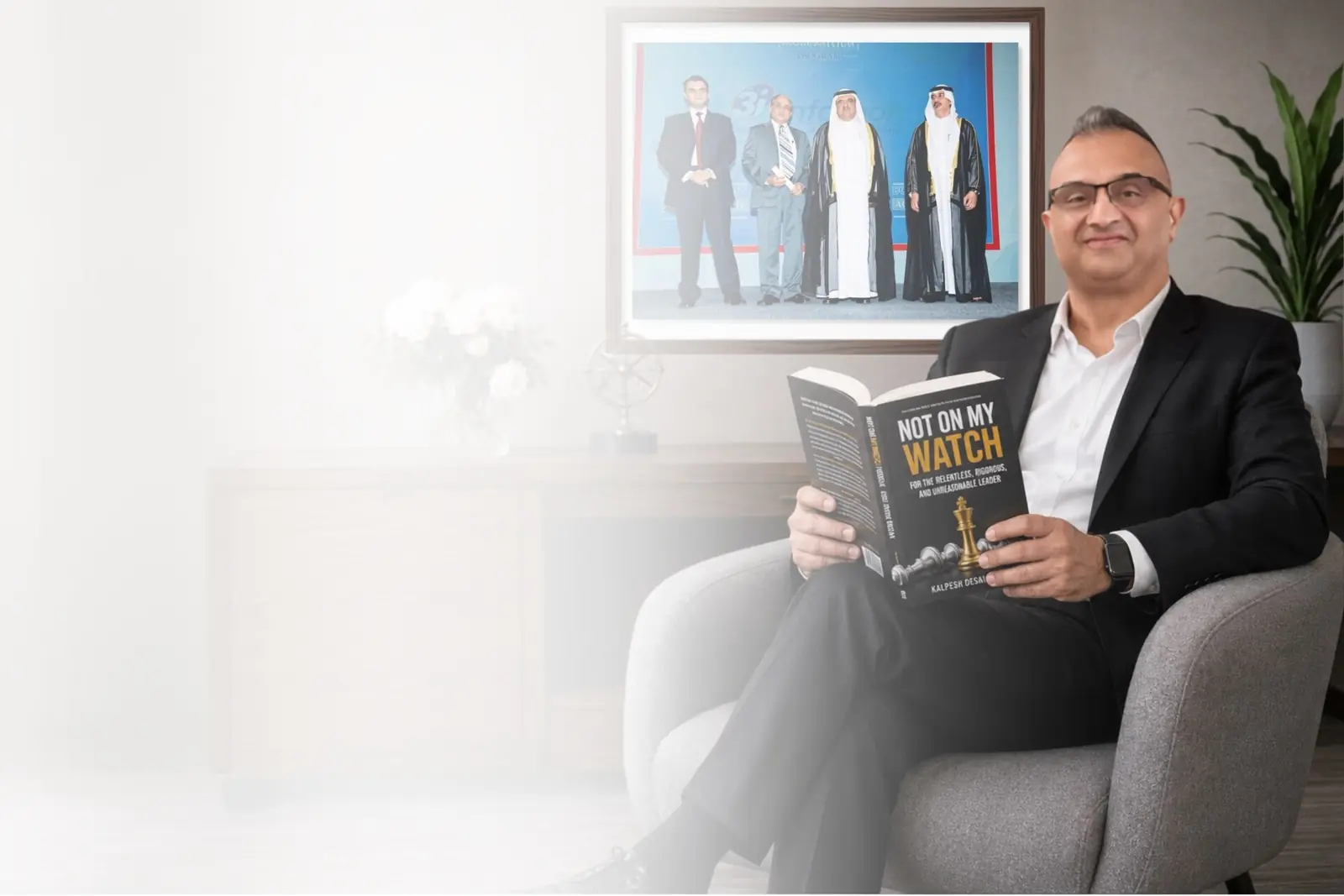
Not on My Watch
A business narrative on custodianship — the CEO’s quiet weight of decisions that hold long after the room has emptied. The book that became a product: its ideas seeded Agilis Sentinel.